01
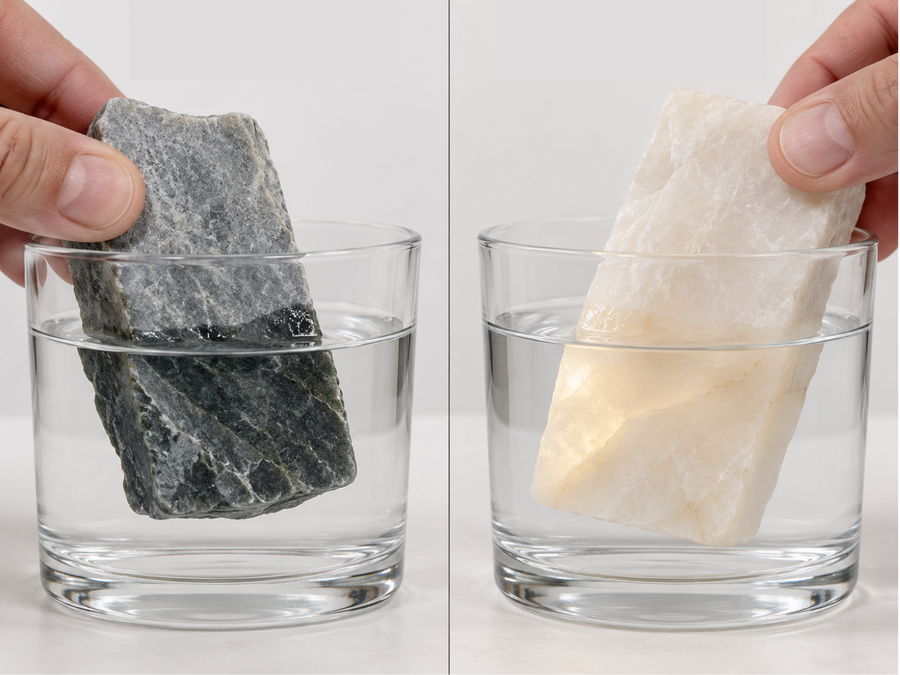
Wet it
Both soapstone and alabaster can be carved and sanded with water, helping to control dust and keep the surface clean while you work.
For everyone interested in stone
A place to build your skills, discover upcoming project kits, explore tool and stone reviews, and share your finished carvings with the community.
Recieve monthly newsletter and exclusive member benfits.


Sample · Newsletter

For as long as people have carved stone, they have carved dragons. They coil around temple columns in China, peer down as gargoyles from Europe’s medieval cathedrals and wind through the knotwork of Viking-age runestones. Every carver gives the dragon its own character, but each one begins the same way: raw stone, a few simple tools and some inspirations.
THE PROJECT
The Dragon is all about detail and the refine feature that gives your dragon its character.
Cool tips for your dragon
Outline how the tail wraps around the body. You can curl the tail either up or down — both options work well.
Carve the base of the wings into the body as you round the back. Shape the wings into more of a V shape to create a natural folded-wing effect.
Align the grooves on the wings with the indentations at the bottom of each wing. This creates ridges or spines that give the wings a folded appearance.
Cut deeper grooves below the forehead on each side to define the eyes and give the dragon a more fierce expression.
For a fun detail, carve 1–3 raised ridges or lines along the top of the dragon’s head to create bumps or spikes.
Next level: Add a row of spikes along the dragon’s tail.

THE TECHNIQUE
Both stones carve beautifully, but they behave differently under your tools. Understanding the material before you begin will help you get a cleaner carve and a better finish.
Both soapstone and alabaster can be carved and sanded with water, helping to control dust and keep the surface clean while you work.
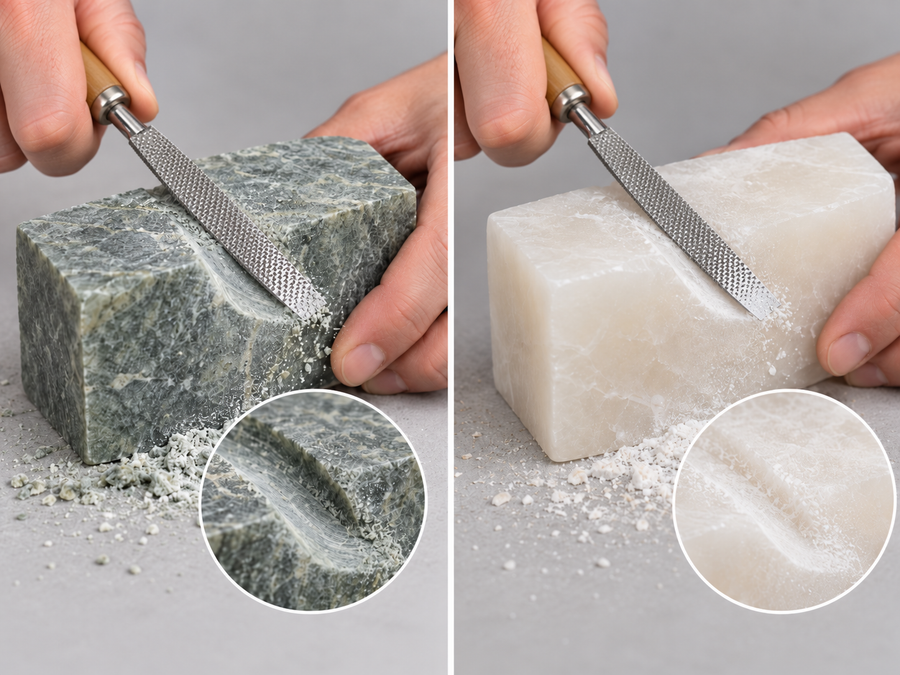
Soapstone is softer, with an approximate hardness of 1.2, while alabaster is slightly harder at approximately 1.5. This makes soapstone easier to shape, while alabaster requires a little more pressure and patience.
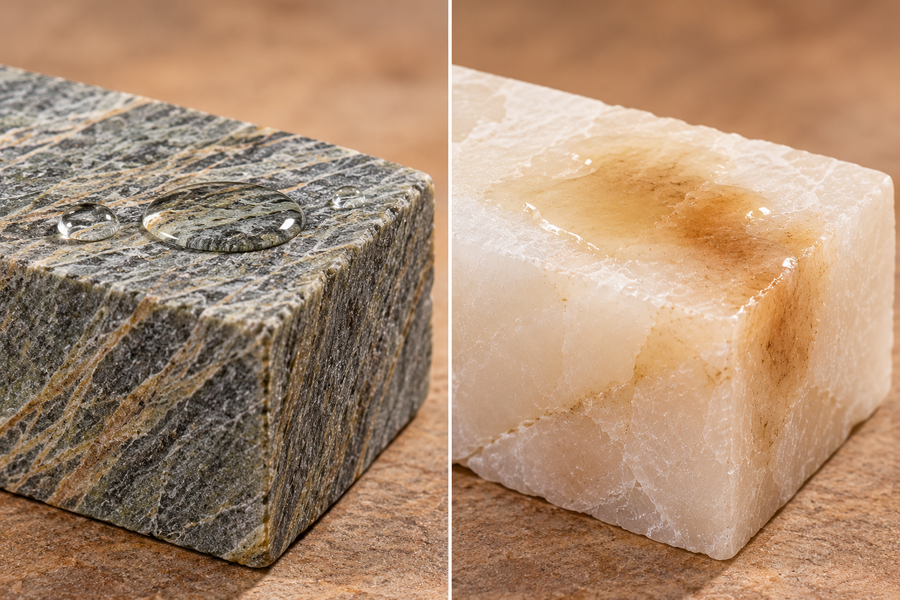
Soapstone is relatively inert, meaning it is less reactive to acids and less prone to staining. Alabaster is more sensitive and can stain more easily. Prolonged sunlight or UV exposure can also affect some surface finishes.
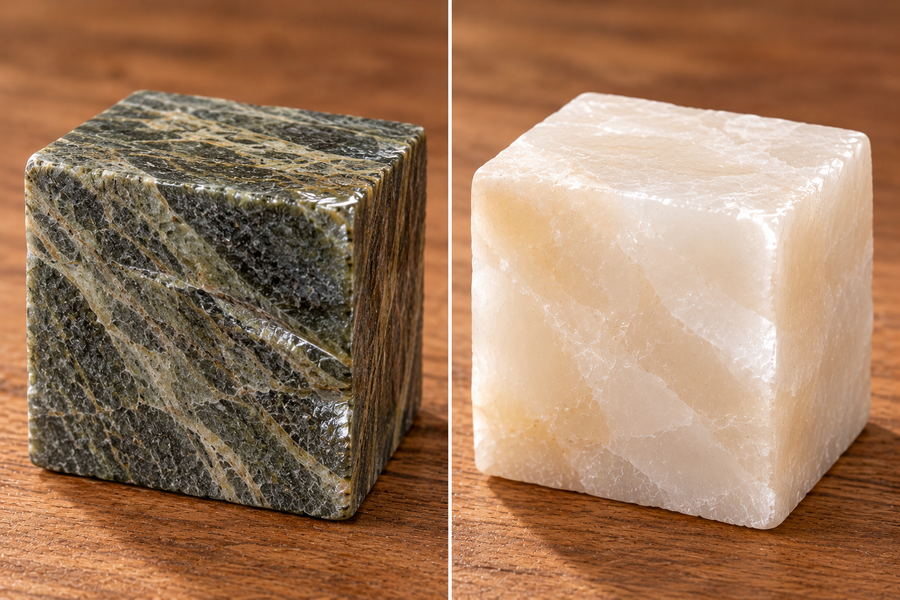
Alabaster is naturally translucent, and mineral oil helps enhance its depth and glow. Soapstone responds especially well to wax, which deepens its colour and brings out the natural veining.


FROM THE GALLERY
Explore the work and creativity of our carving community.


